Your child may forget what you told them yesterday, but they are unlikely to forget what they saw you do. When we tell our children to be respectful, honest, patient or kind, they are not only listening to our instructions; they are watching to see whether we practise those same values. Research on observational learning shows that children learn behaviours by watching and imitating important adults in their lives, making parents some of their earliest and most influential role models. As the saying goes, “Children learn more from what you are than what you teach.” Parenting, therefore, is not only about the lessons we deliberately give; it is also about the example we consistently live.
Consider a child who hears, “Always tell the truth,” but regularly watches an adult create excuses to avoid responsibility. Or a child who is told to manage anger while seeing a parent respond to frustration with shouting. The lesson may be unspoken, but it is still being taught. Children observe not only what parents say, but how they handle emotions, respond to challenges, treat other people and navigate everyday situations. This is why the small things matter: saying “please” and “thank you,” apologising when we are wrong, keeping our promises, listening when our children speak, showing respect to domestic staff and strangers, and demonstrating how to handle disappointment. Our children are not looking for perfect parents. They are watching real parents and learning what it means to be human.
This also means that parenting sometimes requires us to look inward. What happens when you make a mistake? How do you speak when you are angry? How do you treat people who cannot do anything for you? How do you respond when your child fails? These moments can become some of the most powerful lessons a child receives. When a parent says, “I was wrong, and I am sorry,” a child learns that accountability is strength. When a parent says, “I am disappointed, but we can try again,” a child learns resilience. When a parent puts down the phone and genuinely listens, a child learns that their voice matters. As parents, we may not be able to control every influence our children encounter, but we have an extraordinary opportunity to shape the example they encounter every day at home.
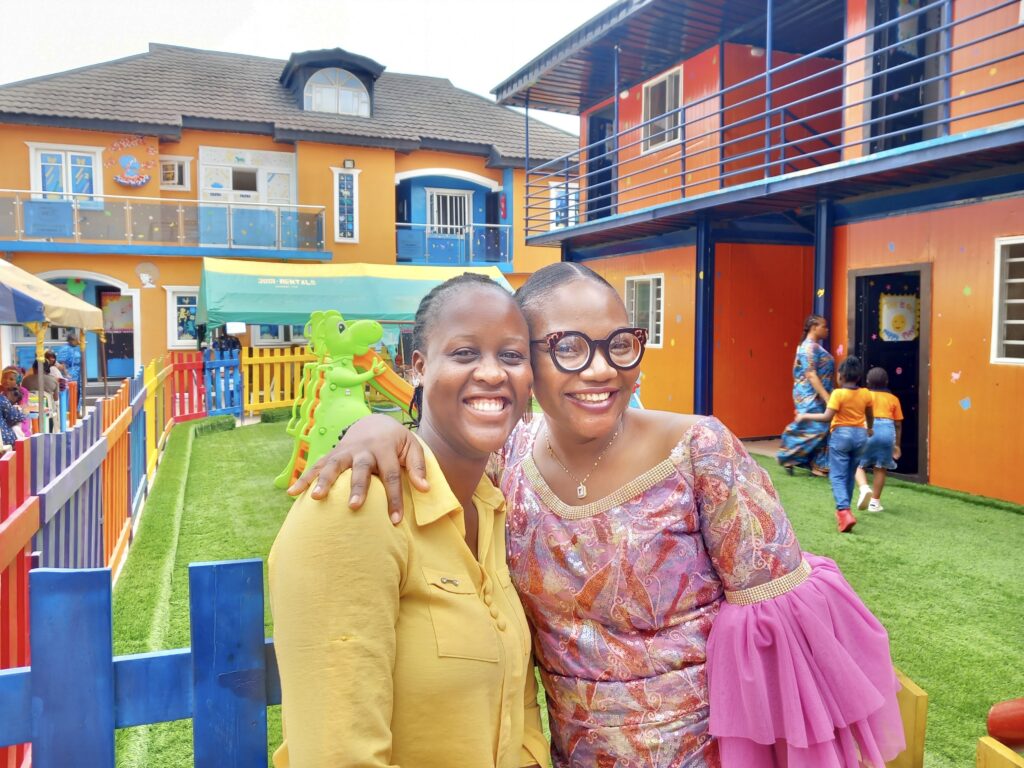
At White Cotton School, we believe education extends beyond the classroom. While academic excellence matters, raising well-rounded children requires a strong partnership between the school and the home. That is why we prioritise engaging our parents and helping them understand the significant role they play in their children’s development, not only as providers and decision-makers, but as role models, mentors and the first examples of the values we hope to see in the next generation. Every conversation, every correction, every act of kindness and every everyday choice is part of the story our children are learning from. The goal is not to become perfect parents; it is to become intentional ones because while our children are watching us, we have the privilege of showing them the kind of people we hope they will become.